
Green Roofing in the USA (2026): What It Is, Why It’s Trending & How It Works
Green roofing has moved from being a niche sustainability concept to a mainstream roofing choice across the United States. In 2026, more homeowners, businesses, and municipalities are choosing green roofs not just for looks, but for real economic and environmental benefits
- What Is a Green Roof?
- Why Green Roofs Are Trending in 2026
- 1. Climate Resilience & Energy Savings
- 2. Stormwater Management
- 3. Environmental & Social Benefits
- Types of Green Roofs
- Extensive Green Roof
- Intensive Green Roof
- Semi-Intensive
- Cost of Green Roofing in the USA (2026)
- How Green Roofs Are Installed
- Real Benefits Homeowners See
- Challenges & Considerations
- Is a Green Roof Right for You?
- Final Thoughts
What Is a Green Roof?
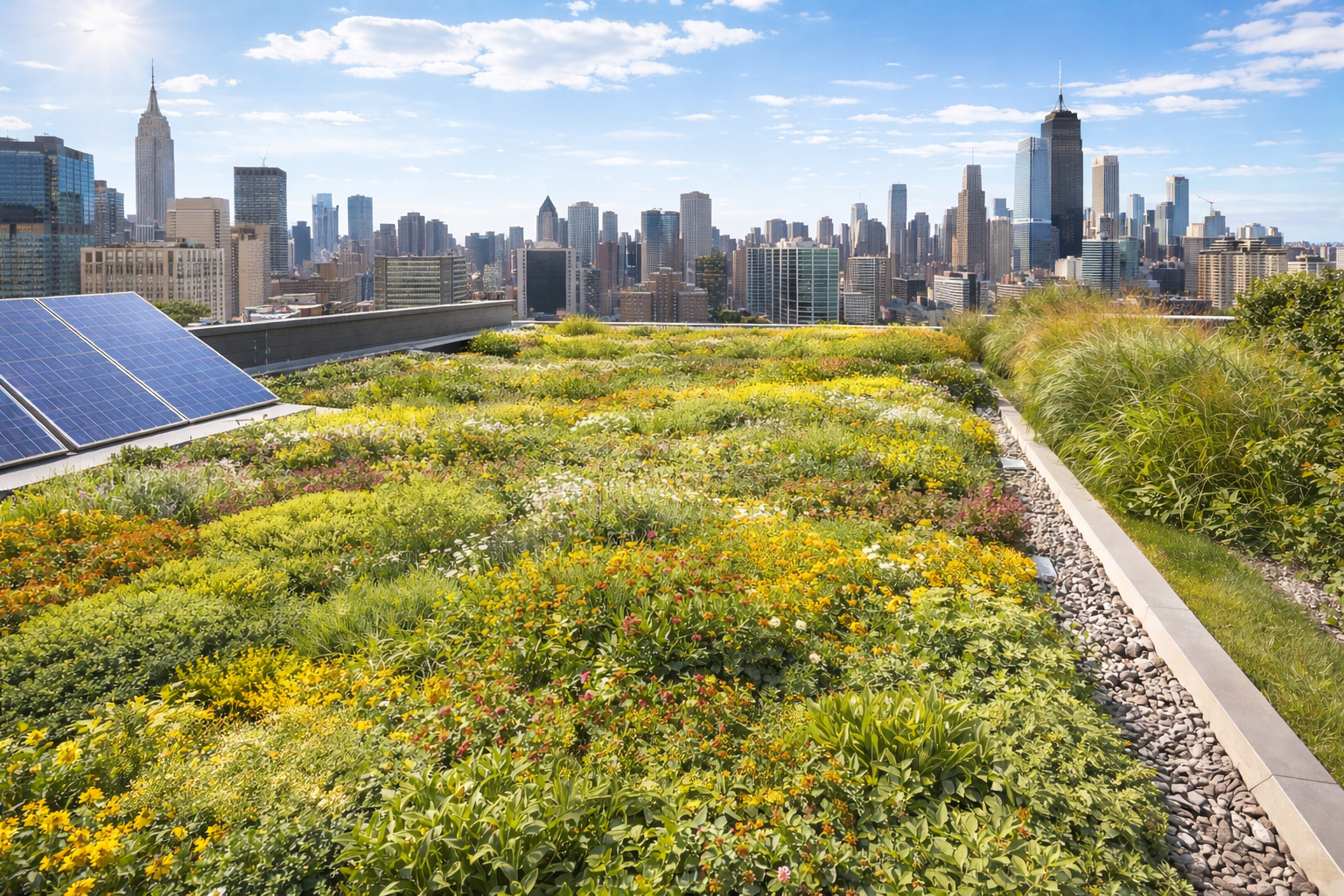
A green roof (sometimes called a living roof or eco-roof) is a roof partially or completely covered with vegetation and soil or a growing medium, installed over a waterproof membrane. It usually includes:
- Plants (sedum, grasses, shrubs)
- Soil or planting medium
- Drainage and water retention layers
- Waterproofing and root barriers
Unlike traditional roofing materials, a green roof creates a mini ecosystem on top of the building.
Why Green Roofs Are Trending in 2026
1. Climate Resilience & Energy Savings
Green roofs help reduce heat absorption and improve insulation, which means:
-
Lower energy bills (especially in summer)
-
Reduced urban heat island effect
-
Increased comfort indoors
This environmental performance is one reason cities like New York, Atlanta, and Chicago encourage or even require green roofs on new buildings.
2. Stormwater Management
Mississippi, Louisiana, Texas, and other southern states deal with heavy rain and storms. Green roofs:
-
Absorb rainwater instead of passing it directly to storm drains
-
Slow runoff and reduce flooding risk
-
Improve water quality through natural filtration
This gives green roofs a practical advantage in flood-prone regions.
3. Environmental & Social Benefits
Green roofs support:
✔ Air purification
✔ Urban biodiversity
✔ Noise reduction
✔ Aesthetic appeal
They also make rooftops usable for gardens, outdoor space, or even beekeeping.
Types of Green Roofs
Extensive Green Roof
-
Thin layer of soil (2–6 inches)
-
Low weight
-
Low maintenance
-
Best for energy savings and stormwater
Good for: homes, small commercial buildings
Intensive Green Roof
-
Deeper soil (6+ inches)
-
Can support shrubs or small trees
-
Requires irrigation and upkeep
-
More expensive
Good for: rooftop gardens and community spaces
Semi-Intensive
-
Mid-range soil depth
-
Mix of plants
-
Moderate maintenance
Good for: mixed use rooftops
Cost of Green Roofing in the USA (2026)
Green roof costs vary widely depending on system type, location, and roof size:
| Roof Type | Estimated Cost per sq. ft. |
|---|---|
| Extensive | $10 – $20 |
| Semi-Intensive | $20 – $35 |
| Intensive | $35 – $60+ |
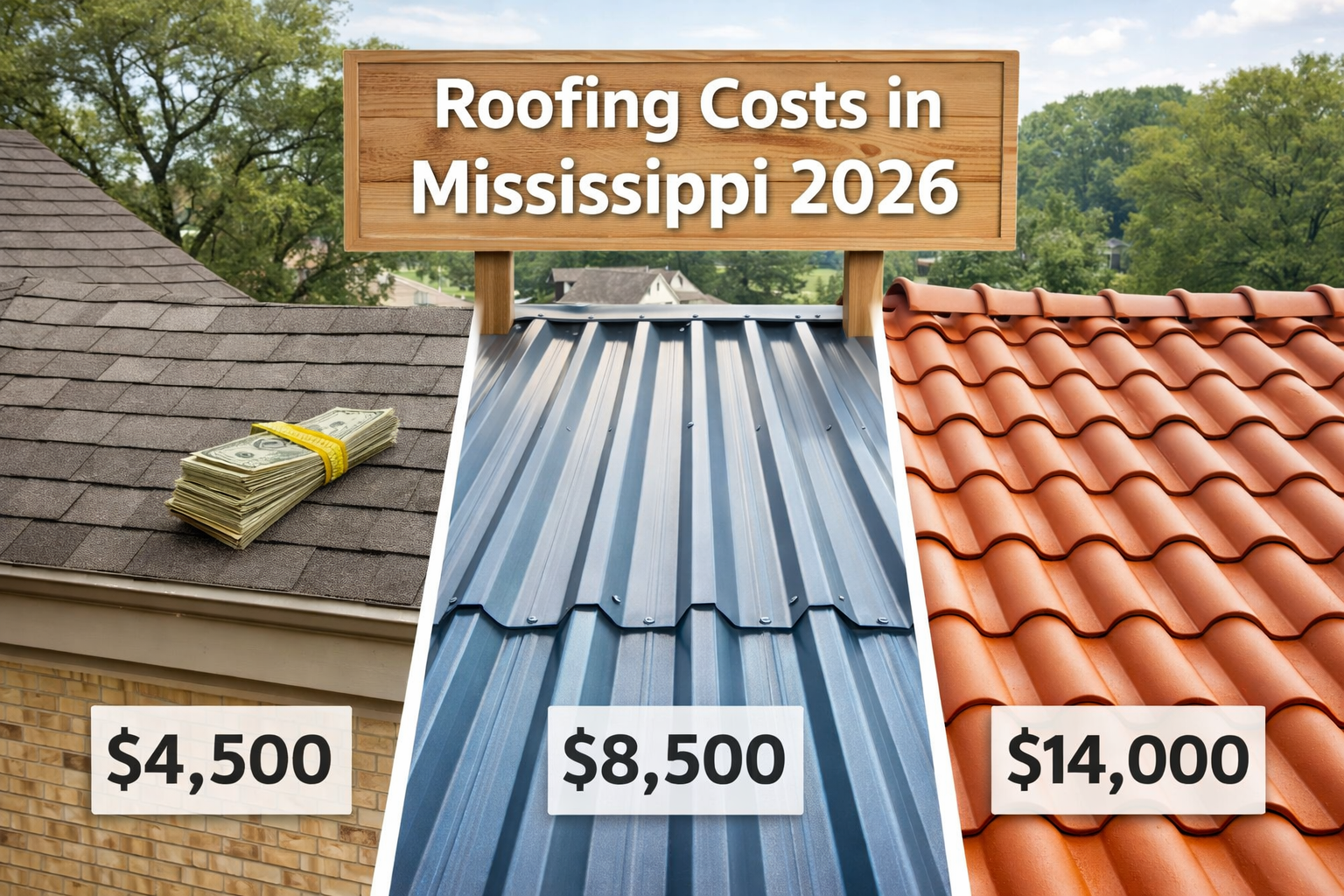
Compare that to traditional asphalt shingles at $3.50 – $7.00 per sq. ft.
Important: many states and cities offer tax credits, rebates, or grants for green roofs, which can significantly reduce net cost.
How Green Roofs Are Installed
Green roof installation typically follows these steps:
-
Structural assessment
Ensure the building can support the additional weight. -
Waterproofing & root barrier installation
Protects interior from leaks. -
Drainage layer & filter fabric
Manages excess water. -
Growing medium & planting
Select plants based on climate and sun exposure. -
Irrigation (if needed)
Especially for intensive systems.
Always work with roofing contractors experienced in green roofing systems — not all traditional roofers install green roofs.
Real Benefits Homeowners See
✔ Lower electricity bills
✔ Longer roof lifespan
✔ Better stormwater performance
✔ Strong resale appeal
✔ Tax incentives in some cities/states
Plus — greenery on your roof just looks great.
Challenges & Considerations
-
Higher upfront cost
-
Need for periodic maintenance
-
Structural reinforcement may be required
But when viewed over the lifecycle of the roof (10–30 years), green roofs often pay off in energy savings and durability.
Is a Green Roof Right for You?
Green roofing makes sense if you:
-
Live in a city with incentives
-
Want energy savings
-
Care about sustainability
-
Have a structurally sound roof
Even small green roof sections (like a rooftop garden or planter system) can offer real benefits.
Final Thoughts
Green roofing is more than a trend — it’s a practical, long-term roofing choice gaining traction across the USA in 2026. From cutting energy costs to managing stormwater and boosting curb appeal, green roofs are redefining traditional roofing and helping communities build greener, healthier cities.